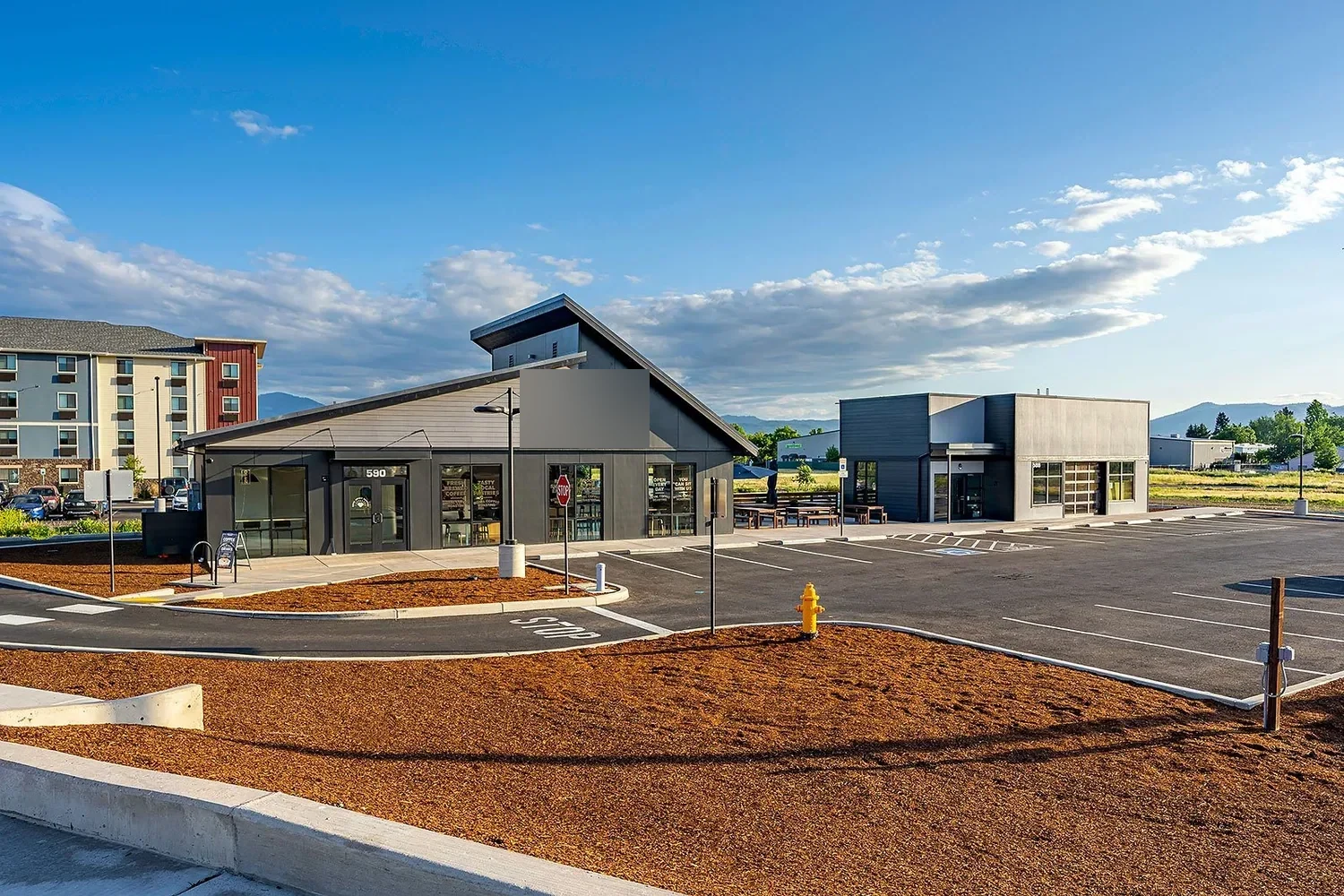
Hospitality Group Roofing in Bryan, TX
A hotel or dining roof can look ready for service while a seam, edge or curb connection needs closer review. Bryan-College Station’s most significant hail during the April 8, 2021 storm occurred in the half-hour from 9 p.m., with stones reported at 1-2.75 inches. At a hotel, dated repair photographs also help identify earlier patches before equipment service or interior work changes the roof area again. For a general contractor coordinating several properties, the immediate choice is which roof zone needs attention before guest, kitchen or event operations resume, and which work can be placed in a later window.
Hospitality groups may manage lodging, restaurants, meeting space, and related commercial properties with different operators and schedules. Each roof scope must match the property's access rules, hours, delivery path, and protection plan. We inspect the roof area and interior report, set a repair boundary, then agree on the trade sequence before material is staged. A roof walk in Downtown Bryan or elsewhere in Bryan starts with the actual building use and access plan.
Bryan settings: Coordinate each property on its own terms
A hotel, a restaurant and a meeting venue in Bryan each combine deliveries, customer traffic, and occupied space near roof work in a different way. Before mobilization, the general contractor confirms what stays open, where a lift can stage, and which route keeps guests away from the work zone.
For a hospitality portfolio, the record should identify each property by its own roof sections, access contact, and daily operating constraints. The same inspection checklist can travel between assets, but the findings should not be copied from one location to another. A shared roof register can keep repair boundaries and follow-up actions readable across an ownership group, while chain-wide repair priorities can account for customer-facing operations where relevant. The Diligence Notes still need to describe the actual roof, its drain path, and the opening that must be closed before the shift ends.
Inspection: Separate the report from the roof condition
A guest-room stain, ceiling mark, or wet service area gives the crew a starting point, not a confirmed roof opening. Water can track along insulation joints, deck flutes, framing, or conduit before it appears indoors. We compare the report with seams, curbs, parapets, drains, and prior repairs, then note what is visible and what needs a test cut or follow-up access. A commercial roof inspection ties photos to roof locations so the general contractor can price a defined task instead of a vague building-wide allowance.
When the roof assembly may hold concealed moisture, the test location and restoration detail belong in the scope before any opening is made. A repair boundary should include the material that can be confirmed sound around the defect, not just the visible stain footprint. Agree on equipment moves before opening the roof. The record can separate a leak repair from an equipment or interior task and show who owns each handoff. A general contractor handoff keeps those responsibilities visible through the work window.
Operations: Keep guest routes clear while the roof is open
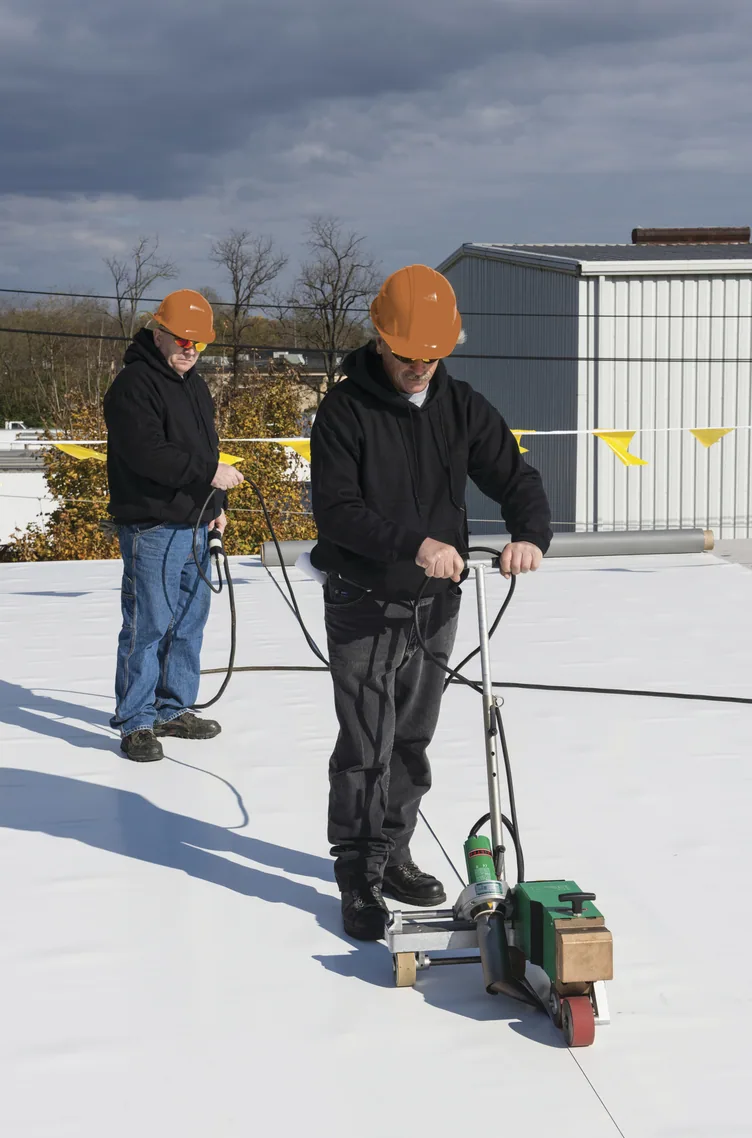
Roof access and customer circulation can compete for the same loading court, service door, or lift location. The superintendent confirms material route, lift setup, closures, and quiet hours with property staff. We divide removal into sections that can be protected and dried in before the shift ends, then record the completed tie-in. If the day's work cannot close safely, the opening remains covered under an agreed temporary detail, with a person assigned to check it before the next operating period.
Room turnover, kitchen deliveries, event setup, and mechanical service visits can change a work window even when the roof scope is stable. The general contractor aligns roofing with the trade that must disconnect or reconnect equipment and confirms when the property is ready for each zone. A phased reroof sequence can map work areas to the operator's schedule and show where temporary protection is needed. The plan should keep guest access separate from lifts, debris, and roof openings without promising that every phase follows the same daily pattern.
Repair options: Compare the boundary before the quantity
A localized curb or seam failure may support a repair when the surrounding membrane and insulation remain suitable for tie-in. Repeated failure across a field, wet core beneath several areas, or unstable perimeter detail can change the choice toward broader removal. We compare the confirmed condition, the test still required, and the disruption associated with repair, recover, or replacement. The estimate should say which quantities are observed, which remain allowances, and what finding would change the scope after work begins.
Hospitality groups can compare capital needs across properties without treating age as a substitute for inspection. One roof may need a small flashing correction before the next rain, while another may require a larger project timed around a quieter operating period. The file should preserve both the roof-specific finding and the group-level priority. We can track open work against the next budget review without describing an uninspected building as damaged or assigning the same solution to every asset.
Storm response: Record impact and protect the next shift
After severe weather, the first roofing decision is whether active water entry or an open edge needs temporary protection. We photograph the affected section, check flashings and perimeter metal, and connect the roof findings to the interior conditions before defining permanent repair. The inspection identifies what can be confirmed on the roof and what needs closer access before a replacement line or insurance scope is set.
For an active leak, emergency response is available around the clock, including holidays. The immediate work secures safe roof access, limits exposure where conditions allow, and documents the temporary stopping point for the operator. Permanent correction follows the inspected detail, with photographs and a written scope that separates old conditions from the reported event. Urgent roof response can be coordinated with storm documentation when the owner needs a record for a claim, without treating an event report as proof of a covered loss.

Frequently Asked Questions
How should a hotel or restaurant roof be prioritized after hail?
Start with active water entry, open edges, and guest or service areas affected below. We inspect the relevant roof sections, photograph observed conditions, and identify which items need temporary protection before permanent work is priced.
Can several hospitality properties use one roof inspection format?
A common record format helps compare findings, but every roof needs its own observations. We document its assembly, access limits, drainage, penetrations, and repair boundary before ranking the property against other assets.
How do you schedule roof work around guest operations?
The work plan lists the access path, active roof section, interior protection, noisy work limits, and dry-in point for each shift. The operator confirms room, kitchen, and event constraints before material is staged.
What Bryan permit steps apply to roof-finish replacement?
For finish replacement inside Bryan, the roofer files the building-permit application, then the city performs a final inspection. Keep both checkpoints in the work schedule and closeout record.
Does a storm report mean an insurance claim will be approved?
No. We document observed roof conditions and separate temporary protection from permanent repair. The owner and carrier determine coverage using the applicable policy and submitted claim record.
Permit and closeout: Carry the work to a clear handoff
When finish materials are replaced inside Bryan, the roofer files for the building permit and the completed work goes through a city final inspection. Reserve the city review in the schedule and preserve roof access until inspection is complete. The city's online permit system accepts applications, handles inspection requests, and posts the resulting status. The roofing record should identify the property, work area, approved scope, completed tie-ins, and any items that remain outside the finished work.
Closeout photographs help operations staff distinguish new flashing or membrane work from older repairs when a future leak report arrives. We document the roof section, surface material, drain and edge condition, and open maintenance items, then identify who receives the record. The hospitality operator can carry those notes into its maintenance calendar while the asset manager compares capital work across properties. Send the guest-area report, roof access limits, and the next operating window; we can arrange a roof walk and assign a defined next step.
Coordinate the next hospitality roof work window
Share the affected roof area, operating constraints, access rules, and preferred work window. We can inspect the assembly, define a repair boundary, and coordinate the next handoff with the general contractor.