Commercial Heat and UV Roof Damage Repair in Bryan, TX
Heat and ultraviolet exposure can age a commercial roof in ways that look similar from the parking lot but call for different work. A chalked coating, brittle membrane, open lap and wet insulation are separate findings. Start with the roof system, surface condition, repair history and areas that stay warm or hold moisture. Easterwood Field in College Station recorded highs of 112 degrees Fahrenheit on August 20 and August 27, 2023. Those College Station readings give the roofing team a reference for hot-weather planning in Bryan; the roof surface and forecast set the actual work window.
Share the roof plan, system if known, leak dates, prior coatings and preferred work window. A commercial roof inspection can identify which surfaces need cleaning, testing or repair before a coating or replacement is priced.
Surface wear: separate it from a failed assembly
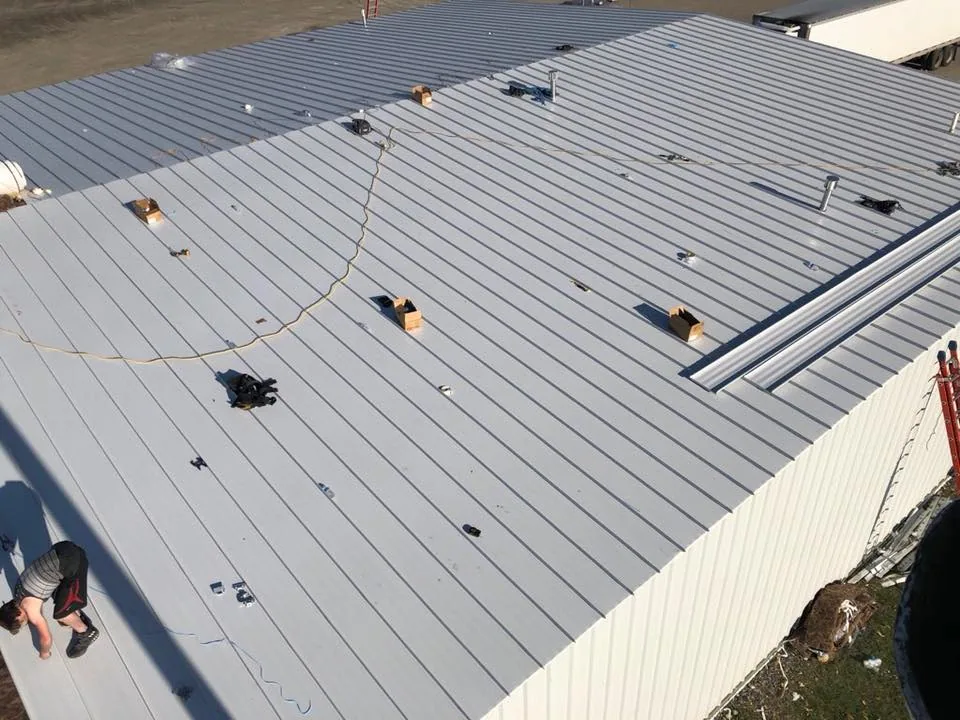
Look for coating erosion, exposed reinforcement, open seams, shrinking laps, split flashing and brittle sealant. Record each condition by roof section, along with signs of moisture below the surface. A faded color alone does not show whether a membrane remains sound. Likewise, a small crack near a curb may be the route for water even when a broad field looks weathered.
Compare sun-exposed and shaded sections, but keep the observations tied to actual material. Note the texture, adhesion and condition of the existing surface, then review maintenance notes and dates of previous repairs. If a seam has pulled apart, document the gap and the membrane on both sides; a seam failure repair review should define that joint separately from general ultraviolet aging.
Honeywell, Toyo Ink, New Southwest Baking, Coca-Cola and Sanderson Farms are listed among Bryan Business Park occupants. Where a property has active production or receiving, coordinate roof access and any temporary interruption before probing, cleaning or opening a section.
Insulation and drainage: check both before coating
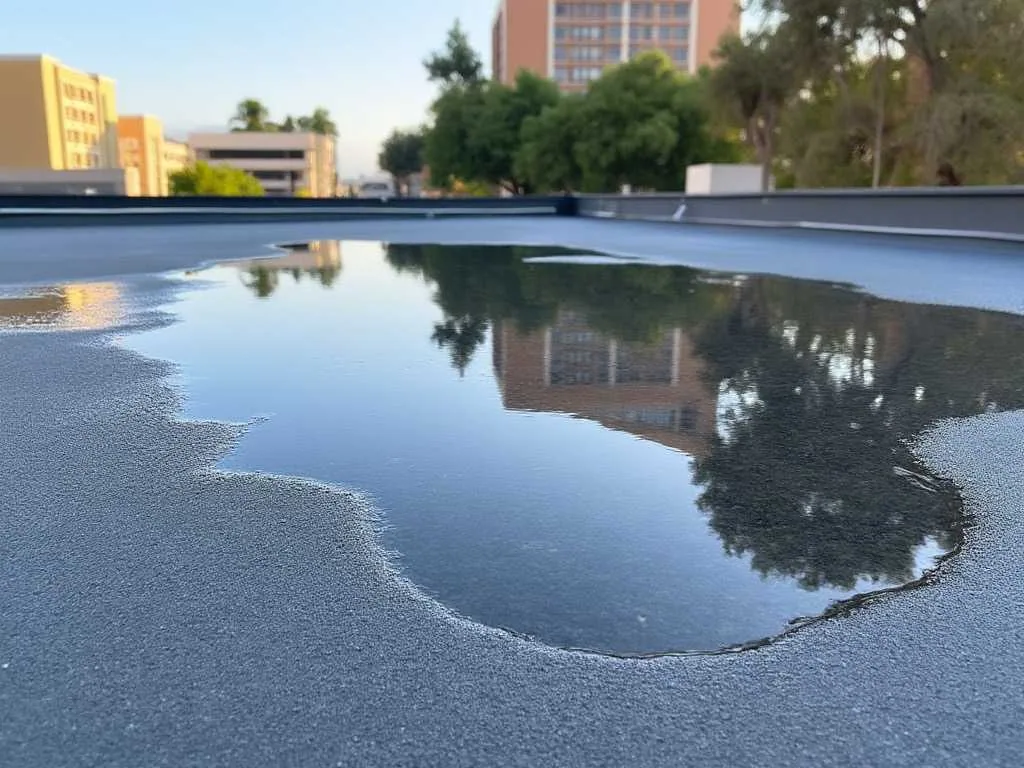
Heat can change how a surface feels across the day, while trapped moisture can leave insulation soft or reduce adhesion beneath a membrane. Record moisture indicators, repairs, blisters and areas where water remains after rain. Check drains, scuppers and transitions before proposing a liquid coating. If ponding persists, map the low point and outlet path using a ponding water roof assessment rather than expecting a surface layer to correct drainage.
An infrared moisture survey can help identify areas for follow-up testing, but readings need to be interpreted with roof assembly and visible conditions. State the method, area, conditions and limits. Open a test location only when it answers a scope question, and record what was found before closing it.
Inspect roof edges, equipment curbs and penetrations where dissimilar materials meet. Heat movement can stress these details, but the repair should address the observed connection rather than presume every joint has failed. If insulation or cover board must be replaced, list the affected section and tie-in so the proposal can separate substrate work from the finish system.
Repair choice: match it to the roof system
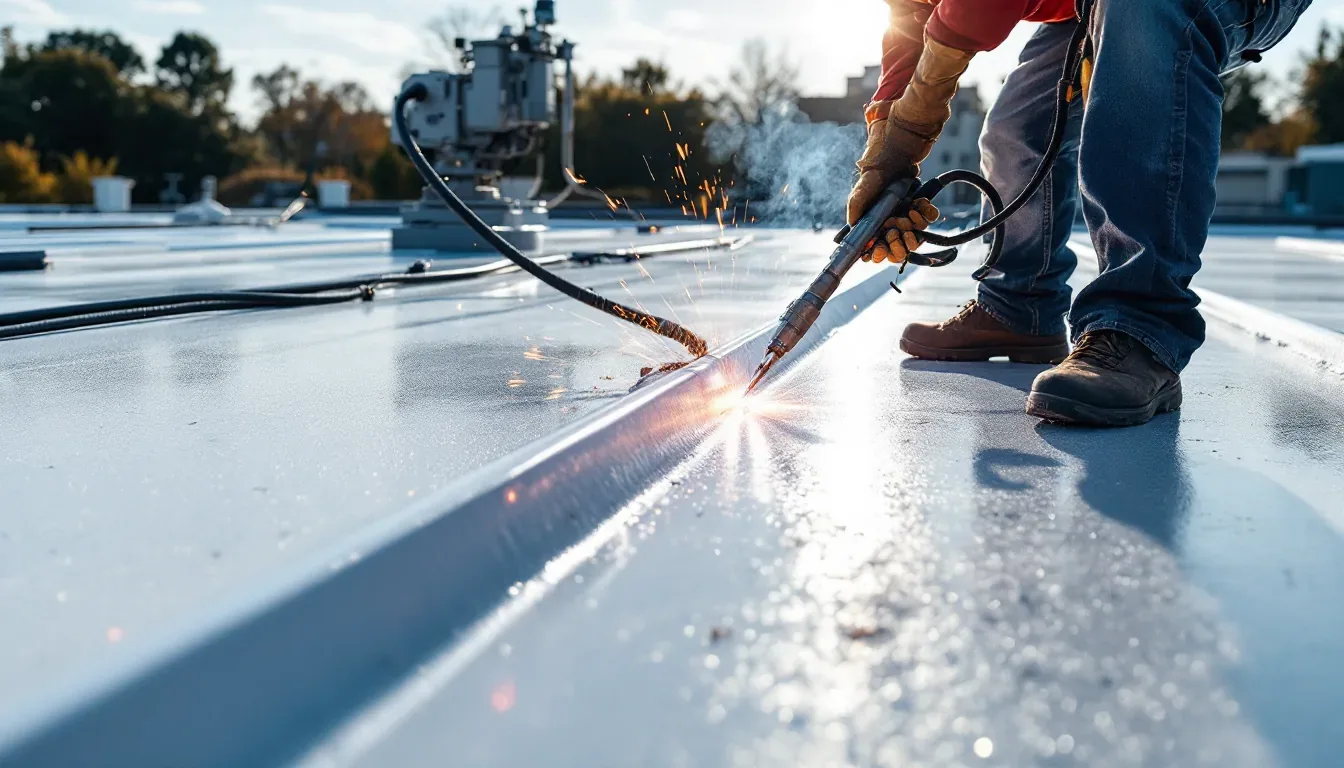
A serviceable membrane with a localized defect may need a compatible patch, seam repair or flashing rebuild. Widespread brittleness, recurring leaks, exposed reinforcement or deterioration below the surface can change the scope. A commercial roof repair proposal should state the membrane type, preparation, repair area, material and the checks used at closeout.
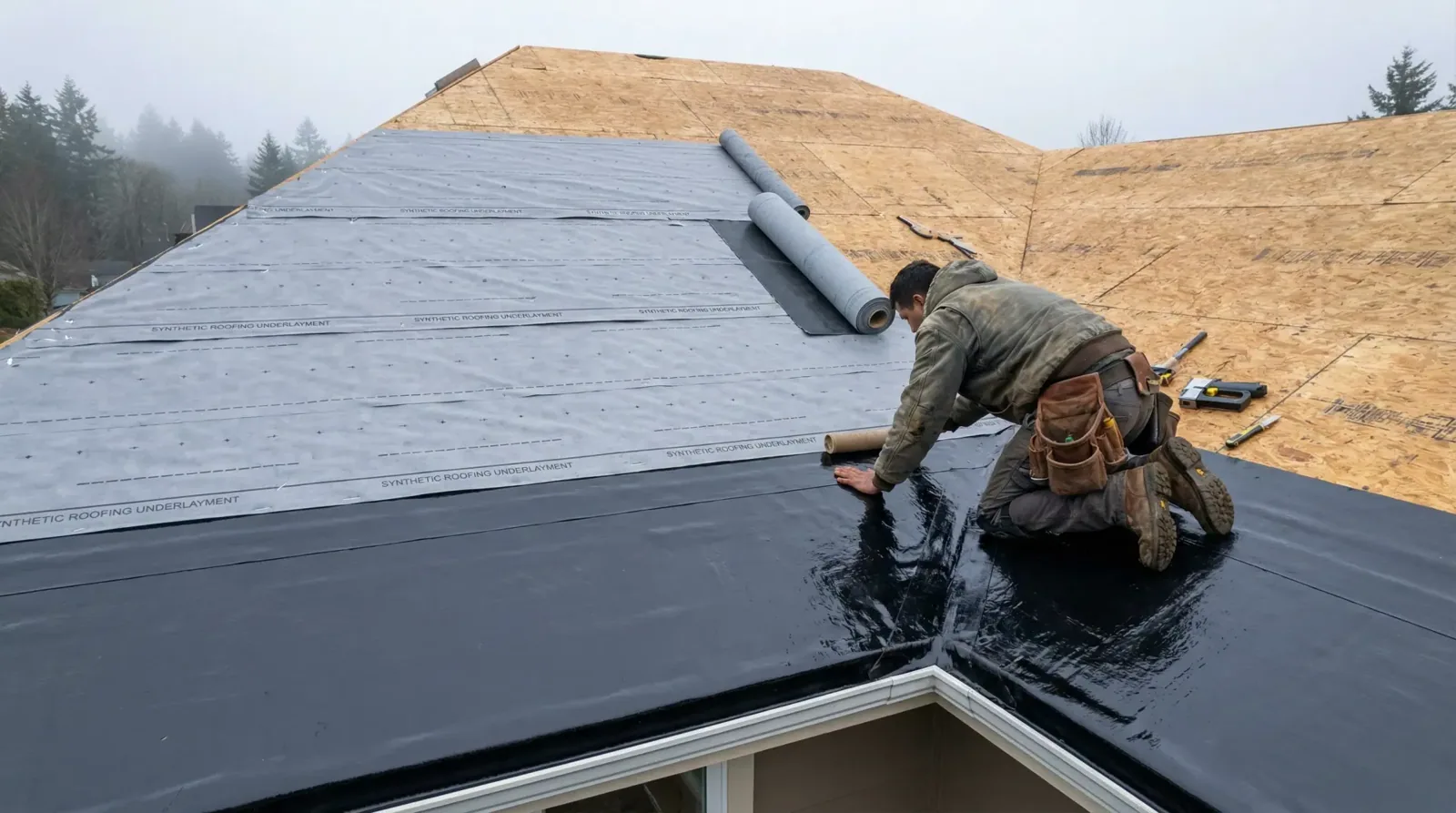
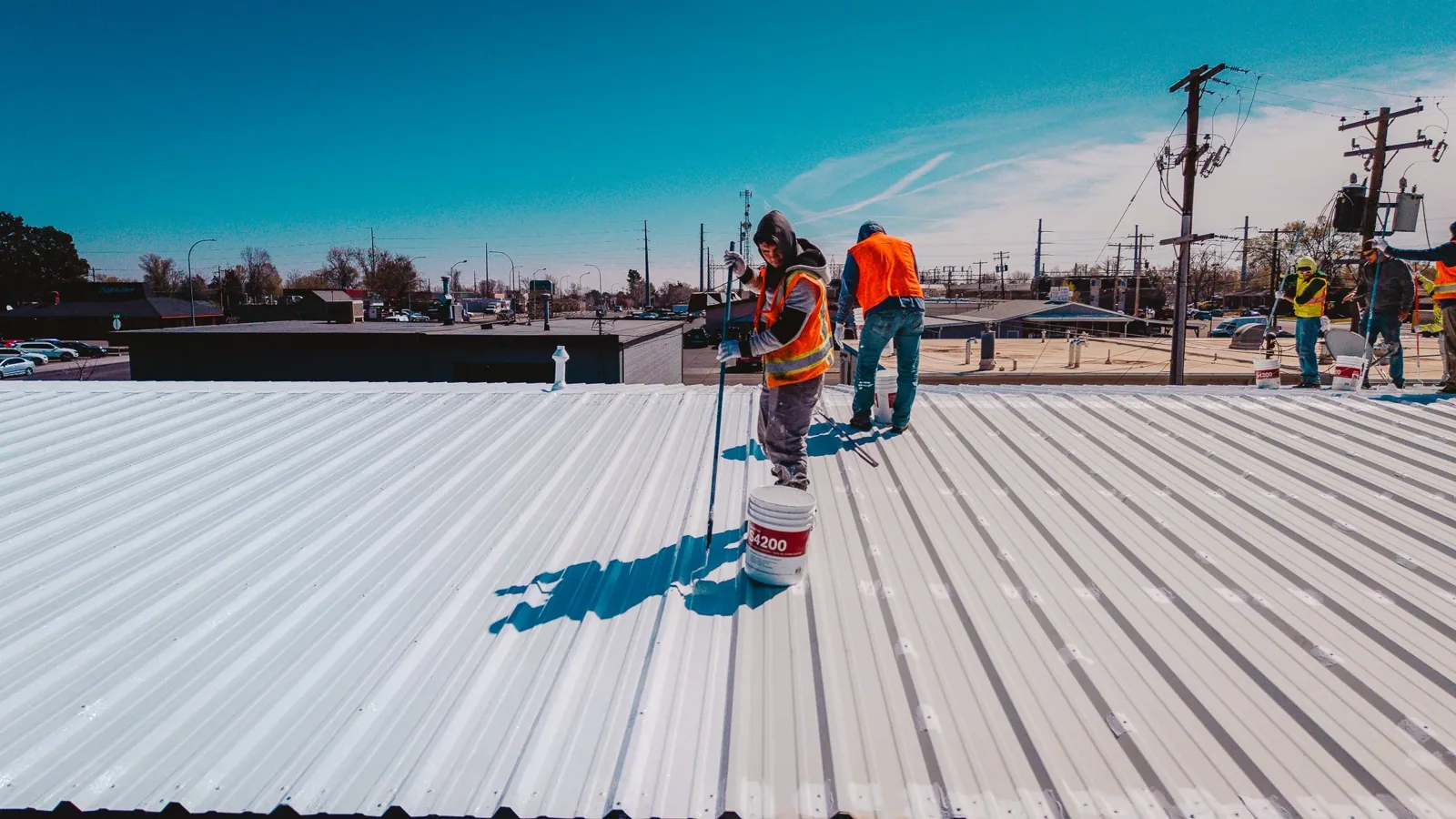
Coatings need a clean, dry, sound surface with compatible adhesion and detail work. A roof coating restoration option should identify preparation, primer if required, reinforcement at transitions, drainage details and the approved surface limits. Do not use coating to bridge an open seam or conceal wet insulation. If field repairs cannot restore a sound assembly, compare the cost and disruption with a separately scoped commercial roof replacement.
For an aged roof with several systems or additions, separate each section on the plan. List conditions that are confirmed, conditions needing further access, and any change that would require approval. Material availability, drying time, protection and occupied-building access can affect schedule and price, so keep those drivers visible in each alternative.
Work window: tie it to operations
Before mobilization, confirm access, staging, roof openings, ventilation needs and interior protection. Identify the person who can authorize a temporary closure and who will receive notice if the work boundary moves. When a roof section is above a production or distribution area, arrange deliveries and debris removal so they do not block receiving paths or expose inventory to dust.
On an occupied Bryan property, divide broad surface preparation into sections that can be cleaned, repaired and closed within an agreed work window. Keep a dry-in point for each shift, label areas still under temporary protection and photograph the surface before applying new material. If rooftop equipment or wiring will be moved, agree on the trade handoff and shutdown before the roofing crew begins.
Plan for heat at the work surface by confirming safe access, material handling and the product’s application conditions. Keep actual conditions in the daily record; do not infer a schedule from regional temperature history. A clear sequence lets the general contractor coordinate roofing with mechanical work, interior access and tenant communication.
When a coating is considered, identify the preparation boundary on the roof plan and state how the existing surface will be checked for compatibility. Record where cleaning stops, where repairs are complete and which areas remain outside the proposed work. This gives the owner a basis to compare a localized repair with a broader restoration without treating a color change as proof of performance. Keep product, substrate, weather and application requirements in the submittal and daily documentation.
Close the field review with photographs keyed to roof sections and a list of unresolved conditions. If the inspection finds wet insulation, open seams or failed edge details, carry those items into the repair scope before any finish layer is priced. The written sequence should show testing, correction, preparation and application as separate steps, with access limits and protection responsibilities stated for the occupied property.
Closeout: record the finished surface and next check
Closeout should show the prepared area, repairs, transitions and finished surface from labeled viewpoints. Record the system and materials installed, any testing performed, remaining conditions and areas not included. A roof insulation and cover-board scope can document substrate work where that work is part of the approved repair. Retain the records with the building plan so later inspections compare the same sections.
Schedule a follow-up check that matches the repair type. A scheduled follow-up can review seams, coatings, drainage and penetrations after weather exposure. A localized observation should not be treated as a condition report for an entire roof unless the scope includes that review.
For the Bryan service area, provide the roof type, surface concern, prior work and preferred access window. We can inspect the assembly, map the repair boundary and prepare a closeout record for the facilities contact.
Frequently Asked Questions
Can heat damage be identified from the ground?
A ground view may show discoloration or a displaced component, but it cannot establish membrane bond, moisture below the surface or the condition of a seam. A roof inspection records those details by section.
Does an old coating need to be removed before restoration?
The coating and substrate must be checked for adhesion, compatibility, contamination and moisture. The scope should state the preparation required for the actual assembly rather than assume every existing layer can remain.
Will a reflective coating stop roof leaks?
A coating is not a substitute for repairing an open seam, failed flashing, blocked drain or wet substrate. We identify the water path and correct defects before considering a restoration system.
What affects the schedule for heat-related roof repairs?
Access, substrate condition, preparation, drying and material application requirements all matter. Occupied areas, equipment work and delivery paths also shape the work window.
What should the inspection report include?
It should identify each roof section, material, observed wear, moisture indicators, photographs, testing limits and recommended work. A defined repair boundary helps the general contractor compare options and schedule follow-up.
Set a heat and UV roof review
Send the Bryan address, roof type, surface concern, prior coating or repair record and requested work window. We can document the assembly and define repair or restoration options with your project team.