Home / Service Areas /
Commercial Roofing in Wellborn, TX
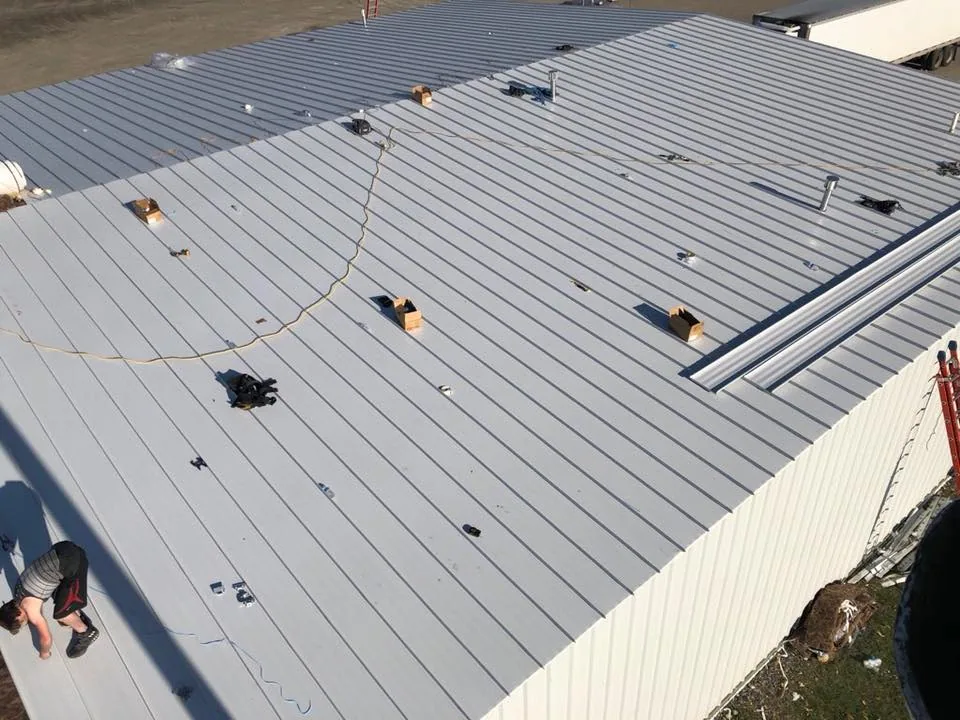
A roofing project in Wellborn begins with the building’s access, current use and reported defect, then follows the roof assembly to define removal limits and a temporary closure that fits the work window. In Wellborn, TX, a general contractor still needs an inspection tied to the roof in the work order: surface, edges, penetrations, drains, and interior reports. The Wellborn planning area lies in southwestern College Station and includes much of the historic community. We map the roof and confirm access before setting a repair boundary.
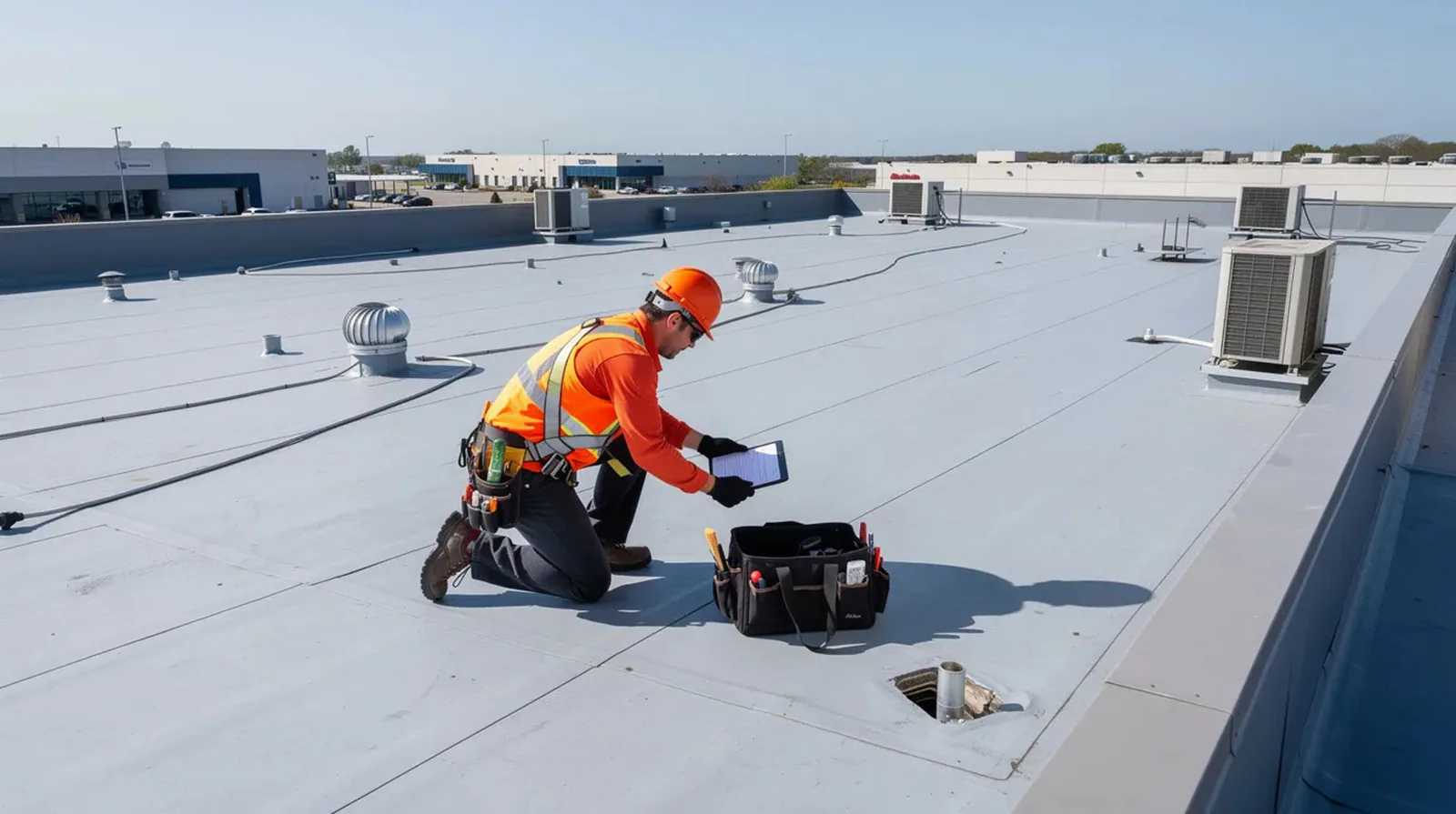
A first walk identifies which roof areas can stay in service, which detail needs temporary protection, and what may require testing before a permanent scope is priced. The commercial roof inspection should connect photographs to the roof plan and keep confirmed damage separate from an open question. The general contractor can then sequence the inspected building around its own access, occupants and approved work zone.
Place setting: Keep the Wellborn boundary clear
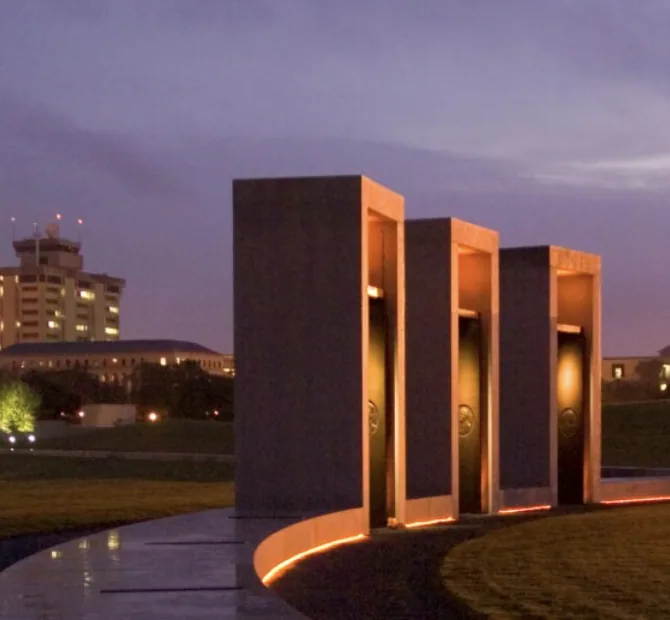
Wellborn follows the historic Southern Pacific railway corridor and forms part of a broader planning area in southwestern College Station. That geography helps orient a service request without turning one employer, school or property into the definition of the community. College Station ISD serves Wellborn. For an educational roof assignment, we coordinate with the property contact on occupied hours and protected areas before setting the work sequence. The site contact sets the access window for each roof assignment.
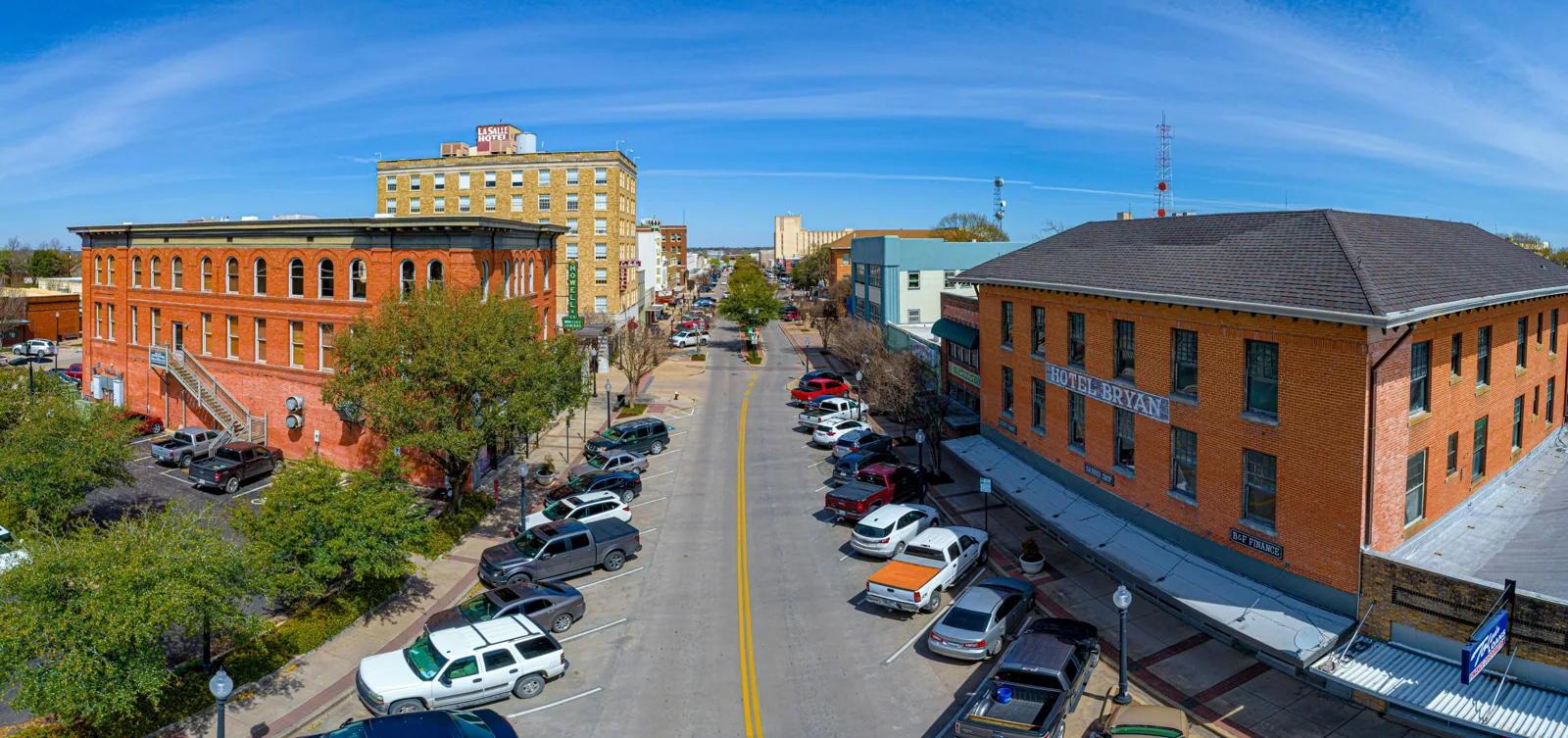
For work with teams in College Station or Bryan, we keep each property's roof map and approval contact separate. A request in College Station and one in Bryan can share a contractor schedule, but the crew still needs the correct gate, delivery path and staging limits for each site. The actual work area is confirmed at the property before materials arrive.
Storm review: Check the details before pricing repairs
Hail can bruise or puncture a membrane, dislodge edge metal, or damage a rooftop detail; wind can loosen a termination or open a flashing transition. We inspect the field, seams, drains, perimeter and penetrations, then connect each observation to the interior report. The 2019 tornado occurred east of Bryan in Brazos County, while significant April 2021 hail affected the Bryan-College Station area. A Wellborn repair follows separately documented roof findings.
Temporary cover and permanent correction belong in separate notes. If water is entering, contact us about an emergency roof response with the reported opening and access contact; dispatch timing is confirmed before crews mobilize. After stabilization, a storm-damage roof review can document affected areas, identify testing needs, and state which repairs remain in the approved package. Photos should show the detail and surrounding roof zone rather than a close-up without location context.
Inspection map: Trace water to a roof zone
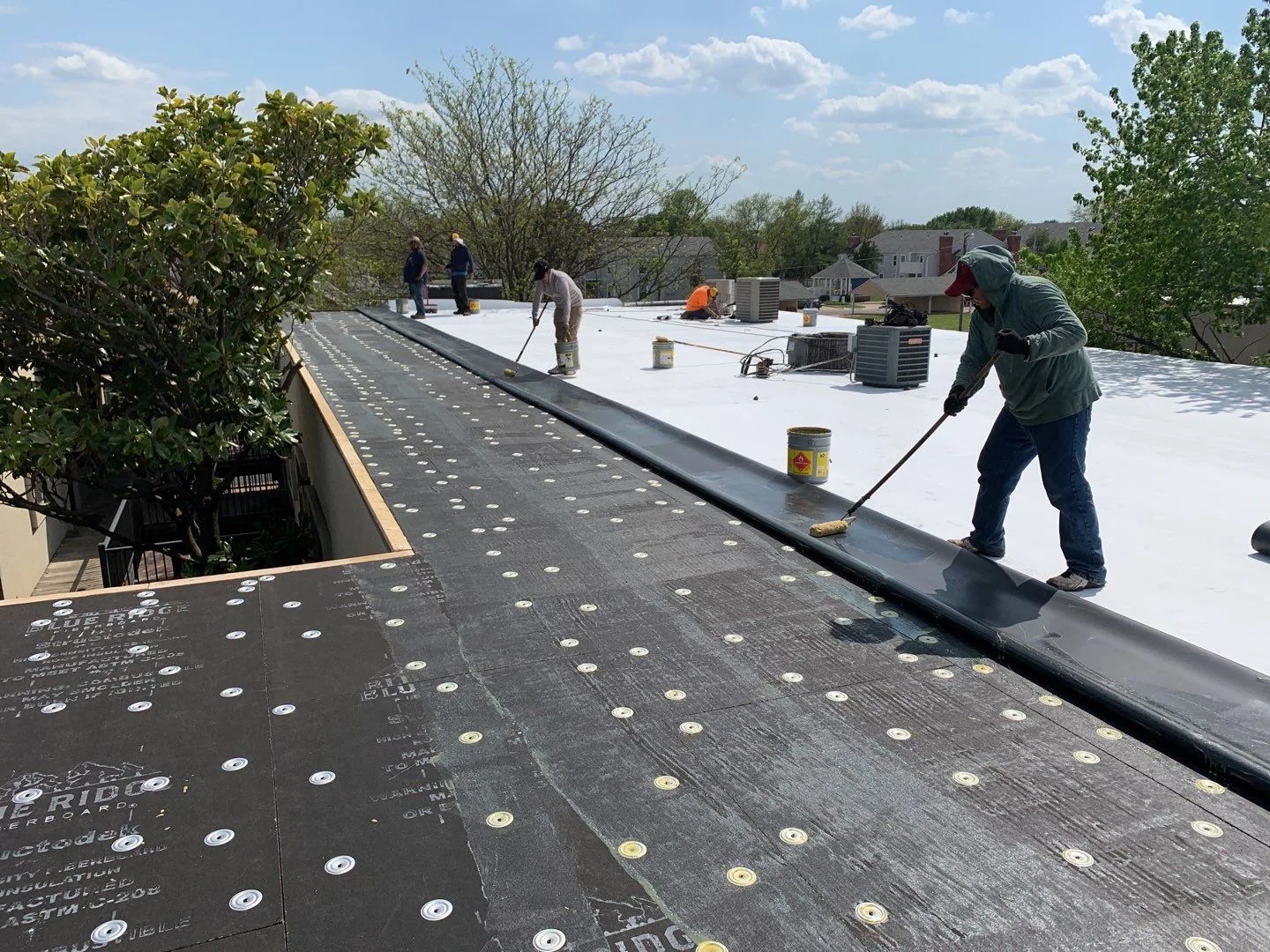
A ceiling mark below a roof does not by itself locate the entry point. We compare the room report with nearby seams, penetrations, drains, curbs, wall transitions and earlier repair lines. On a low-slope assembly, outlets and low points deserve a close look because debris, damaged flashing or a restricted path can affect how water leaves the surface. Each finding is recorded by zone so the repair proposal does not extend beyond the evidence gathered.
When moisture may continue beneath the visible area, we identify the next check instead of treating the visible stain as the full boundary. A roof-area report can pair dated photographs with observations and open items. A moisture survey may help map suspected wet areas when conditions suit the method; any result is interpreted with the roof assembly and Diligence Notes. The owner can then compare a defined repair with the added investigation needed before a larger decision.
Work window: Protect the occupied space below
For an operating property, the roof plan includes more than the area under repair. The general contractor and site contact identify entrances, loading paths, interior rooms and equipment that need protection, then agree on a daily opening limit. A tie-in, curb or conduit that another trade will finish belongs in the handoff schedule before removal begins. We sequence zones to leave a secure working surface at the end of each shift.
The site representative identifies each property's delivery route, staging area and available work hours. The site representative confirms where a lift or materials can stage and which paths must stay clear. An occupied-building sequence can set the release point for each roof area, the temporary cover method and the crew's closeout check. If a shower or a concealed condition shortens the day, the superintendent can pause at the agreed boundary rather than leave an unprotected opening for the next trade.
Assembly choice: Compare repair with a wider renewal
A localized seam or flashing failure may support a repair when the surrounding membrane, insulation and deck remain suitable. Repeated water entry, broad wear or damaged material across several roof zones can move the decision toward recovery or replacement. We record the system where visible, check attachment and drainage, and identify a test or selective opening if concealed layers could change the recommendation. The proposal keeps confirmed quantities distinct from allowances.
Cost and timing change with tear-off depth, deck or insulation work, perimeter detailing, equipment moves, disposal, staging and the area that can be closed in one shift. A commercial roof replacement compares removal, dry-in and new tie-ins with a recovery option only when the existing assembly can support it. We state the assumptions for each choice so the owner and general contractor can compare work packages on the same basis, then schedule the selected system around the approved access window.
Frequently Asked Questions
What should a post-storm Wellborn roof review check?
Inspect the membrane field, seams, drains, perimeter and penetrations, then compare those conditions with the reported interior leak. The repair scope follows the property's observed roof condition and approved boundary.
Which part of Wellborn does this service area cover?
The Wellborn planning area in southwestern College Station includes much of the historic community. Before setting a work window, we confirm the property's location, access plan and operating schedule with its contact.
Can roof work continue while a building stays open?
Yes, when the opening size, interior protection and daily closeout point are agreed with the site contact. We divide work into zones that can be secured before the shift ends and coordinate trade access around them.
When should a leak move from patching to further testing?
We compare the reported room with roof details and moisture indicators. If concealed wet material could change the repair method, the scope identifies a survey or selective opening before the owner approves broader work.
What information helps arrange a Wellborn roof walk?
Share the property location, building use, roof concern, prior repair notes and proposed access window. We can plan the inspection route, identify the decision-maker, and return a sequence for protection, repair and follow-up.
Permit and closeout: Leave the next task traceable
Permit steps depend on the jurisdiction and scope, so we identify the project location before placing inspections and approvals in the work sequence. Within Bryan city limits, roof-finish replacement requires a building permit obtained by the roofing contractor and a final inspection. That Bryan rule is useful for work inside that municipal boundary; a Wellborn project needs its own jurisdiction and scope check. The schedule should show who is responsible for each approval and when the roof is ready for the next review.
At turnover, dated photographs, material notes, completed roof zones and remaining items give the property team a record it can use later. We list any area that was inaccessible and the follow-up needed to close it. A repair report should distinguish temporary stabilization from permanent work and show the boundaries accepted by the owner. If a later maintenance visit finds a change, the crew can compare it with the earlier map rather than reconstruct the original opening from memory.
Arrange a Wellborn roof walk
Share the building use, roof concern, property location and proposed work window. We can map the reported areas, coordinate access and return a roof-specific sequence for review.