Home / Service Areas /
Commercial Roofing in Iola, TX
A roof visit in Iola starts with the reported opening or leak, then follows the assembly to identify a sound repair boundary and any layers that need closer investigation. We begin with the assembly, reported interior area and access available to the general contractor. Iola lies in northwestern Grimes County, northeast of Bryan; the roof walk then sets the inspection route and dry-in plan for the property. Our commercial roof inspection records visible conditions separately from areas that need testing.
Weather context: keep regional history in its lane
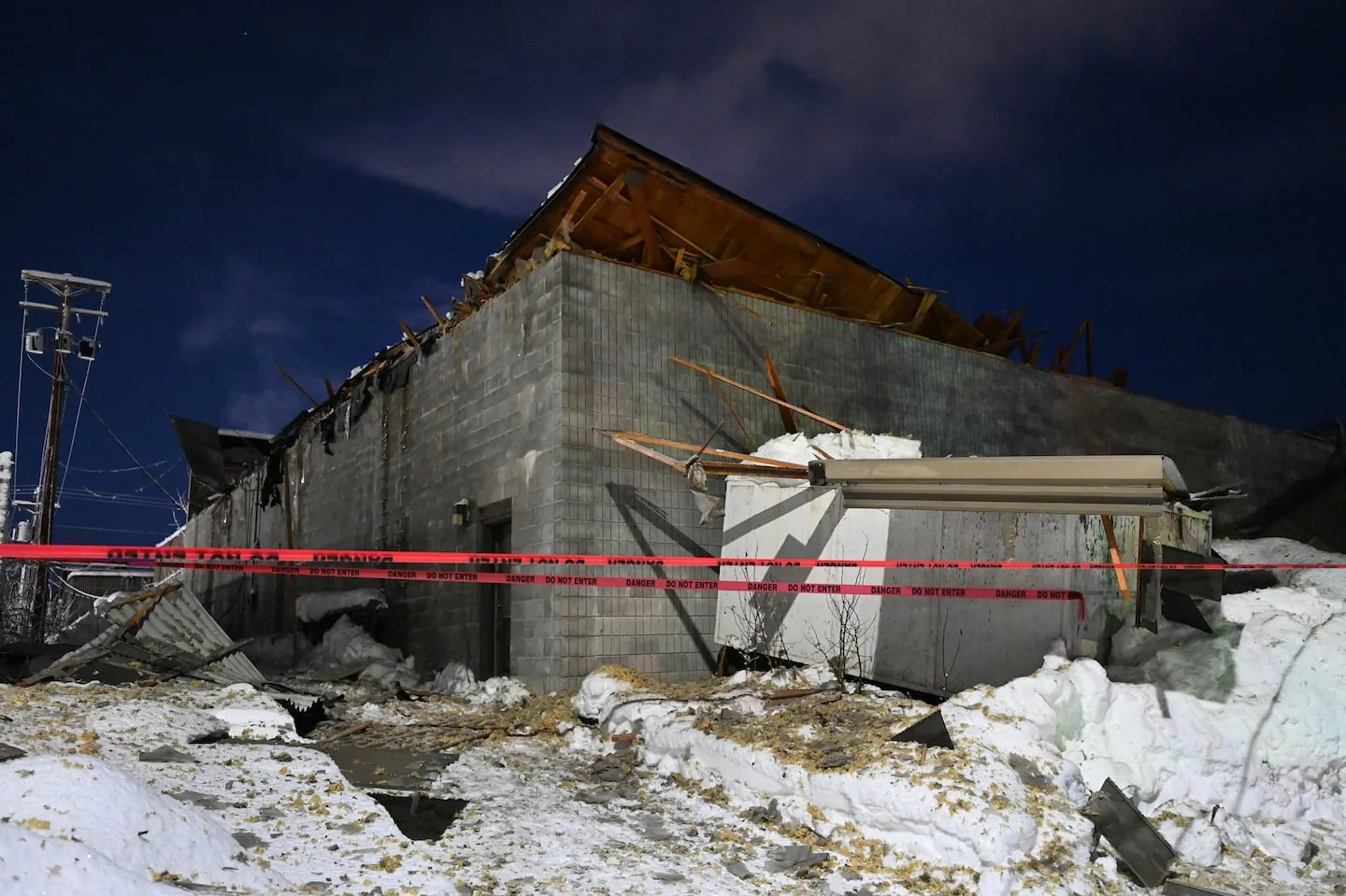
Past weather records include a 2019 EF-2 touchdown east of Bryan in Brazos County and significant April 2021 hail reported for Bryan-College Station. For an Iola building, we inspect the membrane, edges, penetrations and reported interior area, then photograph the condition and define any test still needed.
Active entry calls for temporary protection with a separate limit from permanent repair. The GC should see which zone can open, how it will dry in and what remains for follow-up. A storm damage roof repair documents the detail addressed without implying an insurance result.
Roof map: identify the assembly and access boundary
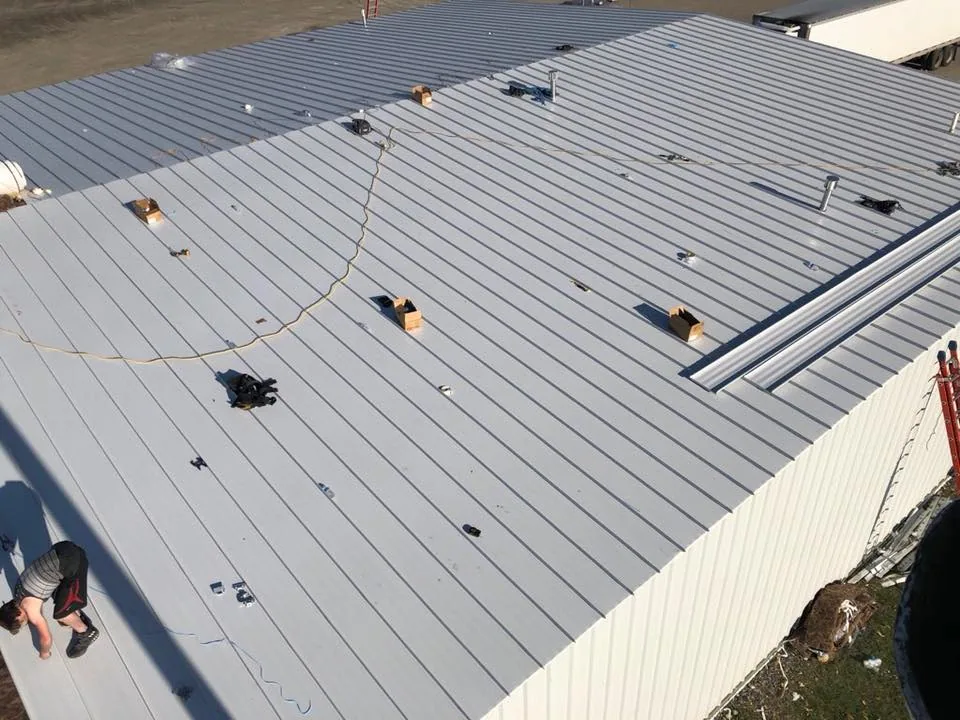
A roof walk in Iola starts with the assembly at the building, not a guess about local stock. We note membrane or panel type where identifiable, seam direction, edge, drainage, equipment and patches. The site contact identifies the reported leak and any operations needing protection. We mark access, tool and material routes, and tie-ins another trade may touch. That gives the GC a shared map of the working surface and sequence.
On a low-slope roof, we compare lap direction, termination bars, curb corners and drain sumps with the route water could take. On metal, the review may include fasteners, panel laps, closures and penetrations. Appearance alone does not identify every assembly; labels, cut edges or maintenance records may be needed before materials are specified. If access is restricted, we record the uninspected area rather than implying full coverage.
Concealed layers can change whether repair or recovery is suitable. Where records conflict or materials are hidden, we mark the uncertainty and recommend a test only if it could change the decision. Photos separate observations from assumptions. A roof in Bryan and one in College Station each receive their own roof map, findings and repair boundary.

Water path: distinguish a stain from its entry point
We trace likely water paths across seams, wall transitions, curbs, penetrations and drains, then compare them with the leak location and timing. Water may travel along a deck or insulation before appearing indoors. We record what is visible and what remains concealed. A commercial roof repair names the failed detail, tie-in and nearby condition that could affect the result.
Drainage review follows the outlet and the roof area feeding it. We check debris, flashing, strainers, settled areas and adjacent seams. A clear outlet on inspection day does not show how a roof performs in heavier rain. Where moisture may extend beyond the stain, we define the investigation limit before opening material. The owner can then decide whether to authorize a contained repair, a test or wider review. For intermittent entry, the time of rain, wind direction and interior activity can narrow the roof zones to compare, but they do not replace a surface inspection. We keep those reports with the matching location notes so later repair work addresses the same path.
Repair boundary: compare work that fits the evidence
A localized repair can work when the affected detail is identifiable and adjacent material will accept a compatible tie-in. We check substrate, attachment, membrane, flashing and drainage before pricing it. If distress spans separate areas or moisture extends beyond the leak, a wider review may be preferable to repeating patches. A commercial roof replacement comparison shows removal, insulation allowances, edge work and equipment coordination beside the repair price.
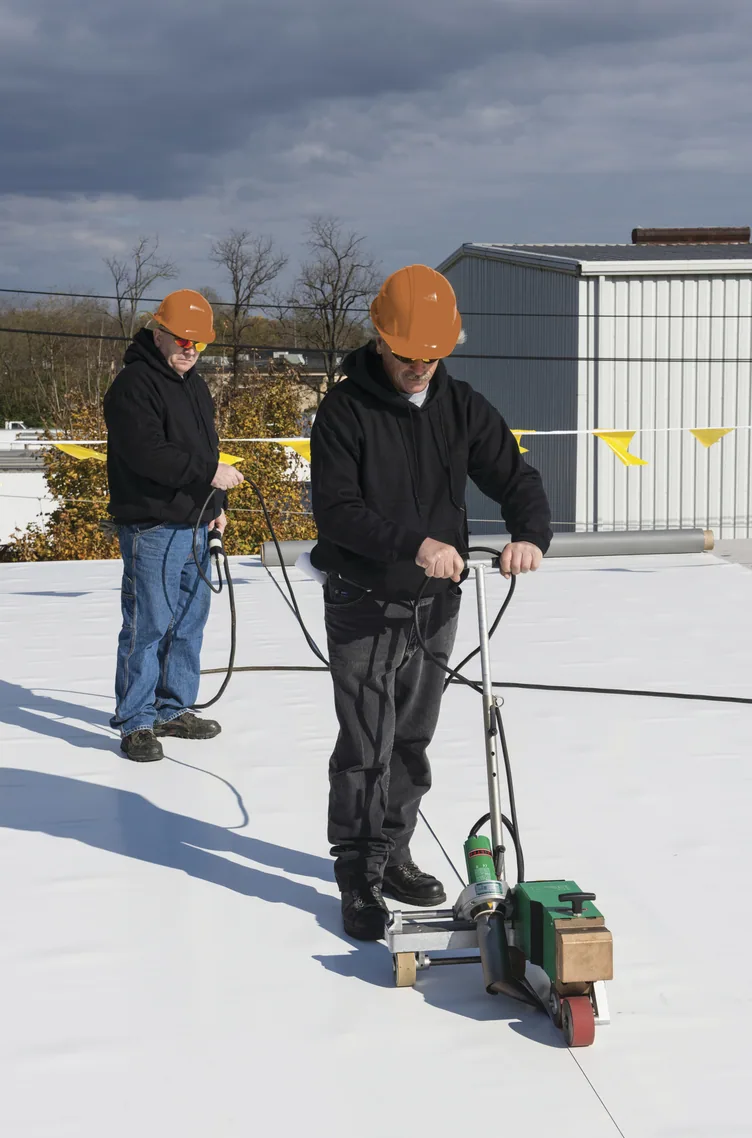
Recovery or coating also depends on the existing assembly. We check layer count where possible, note wet or unsound material, and confirm drainage and perimeter details can remain functional. A TPO roof system belongs in the comparison only if it suits the confirmed substrate and project requirements. Cost can change with deck repairs, tear-off, access, disposal, curbs and dry-in. The proposal separates known quantities from allowances and states which discovery would change the scope.
Work window: give the GC a dry-in and trade sequence
Before opening the roof, the superintendent and site contact confirm access, staging, deliveries, equipment interfaces and the area needing protection below. We limit each shift to a section the crew can secure before weather or site hours require a stop. Every opening gets a dry-in limit and a named handoff for curbs or penetrations another trade must reconnect. If work exposes a condition beyond the approved boundary, we document it and pause for direction.
Materials follow the section ready for work. We confirm a clear route, staging point and who checks temporary protection below. A roof condition report can retain photos, open questions and completed details. The record distinguishes temporary measures from permanent work and identifies which section is watertight before another trade takes over. At the daily check, the superintendent confirms whether the membrane is closed, whether a temporary cover remains and which trades may cross the roof. If weather shortens the shift, the crew closes a documented boundary before moving tools and materials.
Frequently Asked Questions
Does a Bryan-area storm report establish damage at an Iola property?
No. Regional weather history can help frame a review, but the roof surface, edge details, penetrations and interior reports at the building determine the findings. We photograph observed conditions and separate them from areas that still need confirmation.
What should a general contractor coordinate before a roof walk?
Share the reported leak area, building use, roof access limits, available records and any active interior work. We can then plan the walk around the site's access window and identify which trade interfaces need attention.
How do you decide whether a leak needs a test opening?
We compare the interior symptom with visible roof details and note where the assembly hides a possible water path. A test is proposed when its result could change the repair boundary, material choice or price.
When is replacement a better comparison than another repair?
Replacement enters the discussion when findings extend across multiple areas, the existing layers cannot support a sound tie-in, or recurring patches leave unresolved moisture questions. We show the evidence and assumptions beside each option.
How is the roof handed back after phased work?
Each completed zone is checked for secure seams, flashing, drainage and watertight tie-ins. The closeout record identifies finished work, exclusions, photos and any follow-up item before the next trade takes over.
Closeout: carry each roof zone into the next decision
At completion, we check repaired seams, flashings, penetrations, drains and perimeter details against the agreed work area. Photos show the finished connection and enough surrounding roof to locate it later. Closeout notes list materials installed, sections untouched, protection removed and any follow-up inspection. Iola Independent School District includes Iola High School and Iola Elementary School, so a school-managed building in town brings district access rules and a school calendar into the work window before any lift is set. If a concealed condition changed the approved work, the record ties that discovery to the revised boundary and direction received.
Keep separate records for Iola and Bryan buildings; the geography does not make their roof systems interchangeable. Share building use, reported condition, available records and a proposed work window when arranging a visit. We can inspect the roof and agree whether the next step is a contained repair, test or wider assembly review. A property in Wellborn likewise gets its own roof record.
Plan a roof walk in Iola
Tell us what the building does, where water is entering, what roof records exist and when access is possible. We can record the damage limits, protect exposed areas and set the handoff with the general contractor before permanent repairs proceed.