Home / Service Areas /
Commercial Roofing in the BioCorridor, Bryan, TX
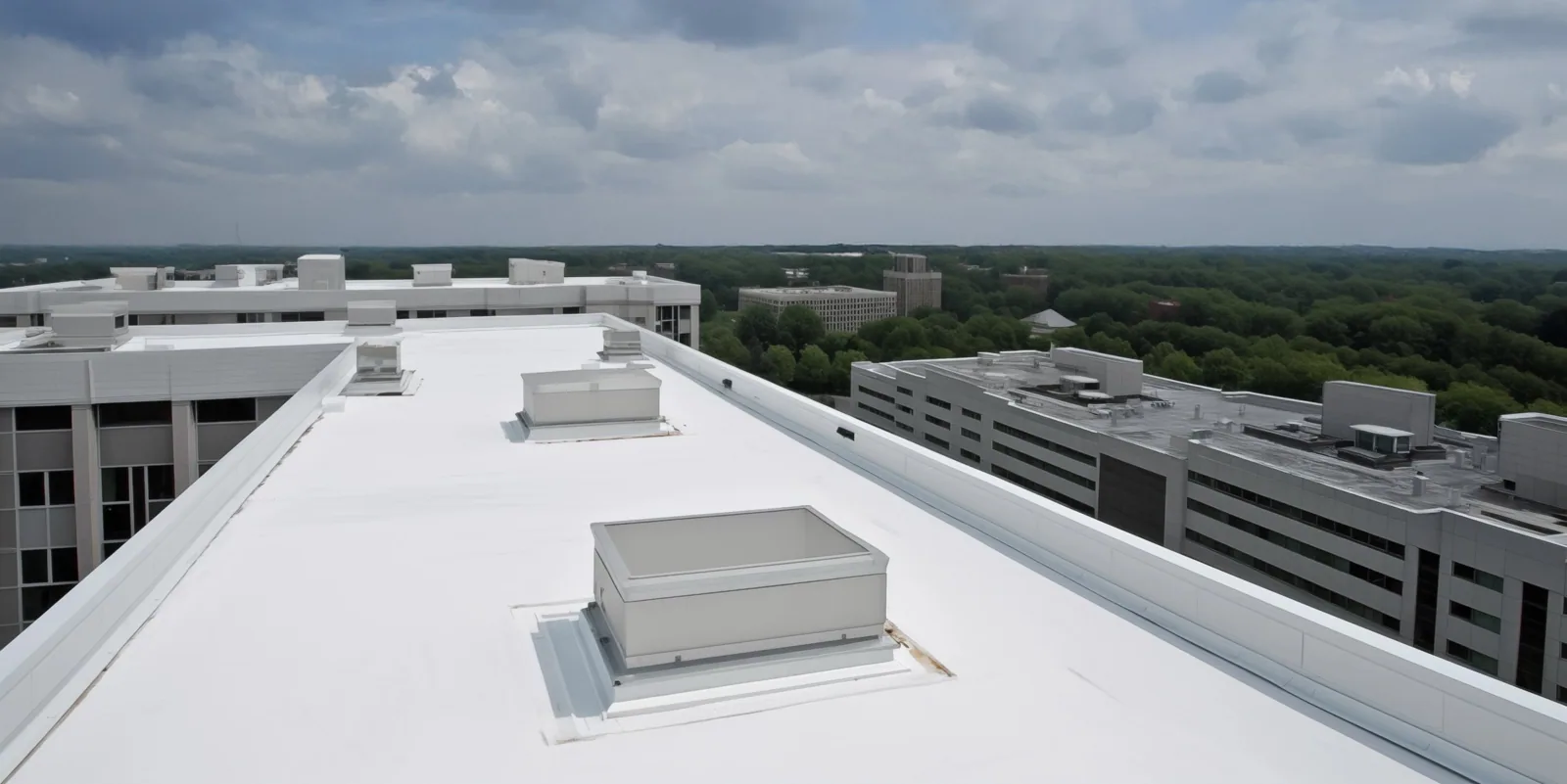
BioCorridor properties need roofing work coordinated with the occupied building, its equipment connections and the access available for investigation, especially where an opening must be closed before another trade can proceed. We identify the installed assembly, trace the reported water path and record which roof zones need protection or further review. Bryan and College Station share the BioCorridor, a mixed-use biotechnology district with research, office and manufacturing uses. A roof inspection follows the building in scope and the access and operating needs confirmed with its contact. A commercial roof inspection ties the property's operating needs to what is visible at the roof.
District framework: connect the map to the building in scope
The BioCorridor's land-use categories include research, office and manufacturing, with supporting medical services, retail and professional offices. For roof work, the property contact identifies the building, operating group and approved access route; we then inspect the assembly and confirm which details need protection or follow-up.
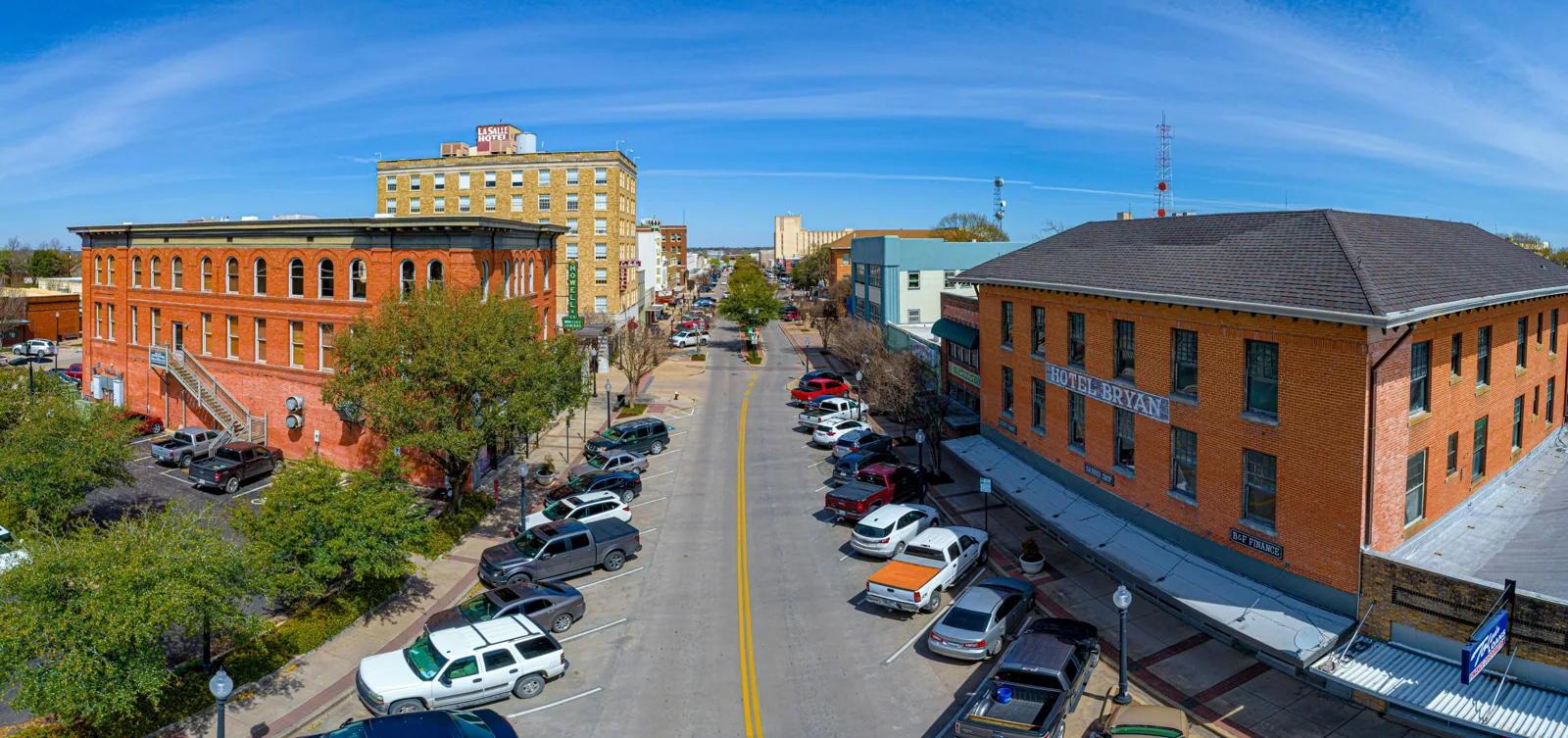
That distinction helps a facilities manager coordinate a roof visit without interrupting work that has its own safety or production controls. Before scheduling, we ask which doors and service routes remain active, whether a lift or rooftop equipment task is planned, and how much notice an occupied area needs. Bryan's other commercial locations, including Downtown Bryan and Texas Triangle Park, have separate property patterns. A Bryan-area service review can address the wider city, while this inspection remains tied to the BioCorridor building named in the work order.
Weather sequence: inspect the exposed detail first
After hail, wind or heavy rain, the first roof walk should distinguish visible surface marks from a failed seam or flashing transition. We inspect the membrane field, perimeter, penetrations, drains and curbs, then photograph the detail with enough context to locate it again. A report from an occupied room is compared with the roof zone above it because water may travel before it appears at a ceiling. The record notes what is observed and what still needs a test or opening.
If active water is entering, the near-term choice is how to protect the interior and close the roof at the end of the work window. We mark the area covered, what remains exposed and who receives the handoff. Before temporary protection is installed, the building contact confirms the occupied area beneath the opening and any restrictions on reaching the damaged roof section. A commercial emergency repair visit can begin with the affected zone and access contact.
Building access: protect operations below the roof
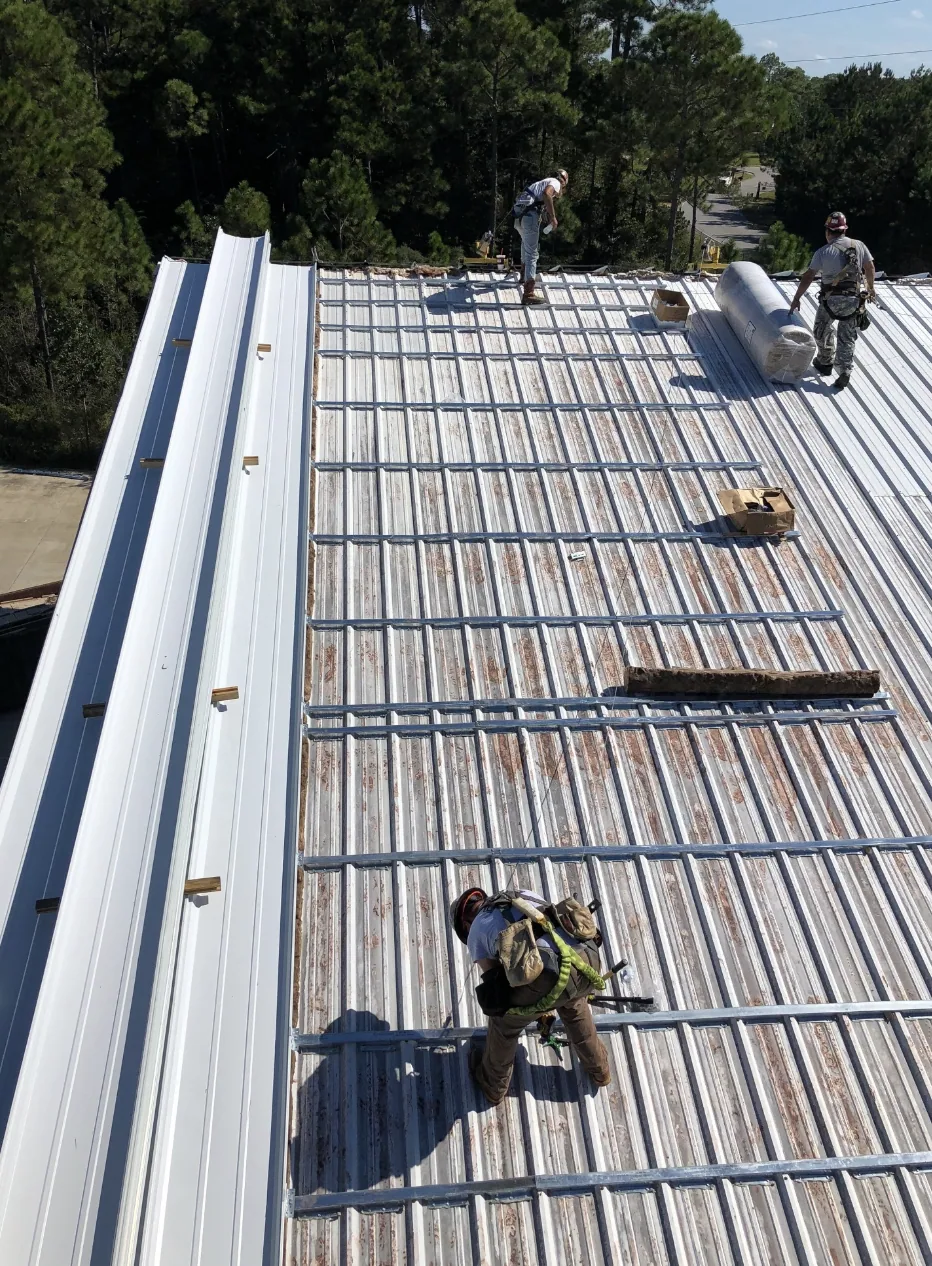
Research, office and manufacturing uses can each have different access controls, work hours and interior protection needs. We confirm the roof route, staging area and roof-edge controls with the site contact before moving material. If a production or laboratory area is occupied, the work plan can identify who authorizes entry, what overhead protection is required and where the crew must stop at the end of a shift. The project lead then has a physical sequence to coordinate with other trades.
A roof opening must stay within the area that can be secured and dried in before the crew leaves. Where equipment, conduit or mechanical work crosses the roof, we identify which trade handles a disconnect, movement or restart before touching the associated flashing. An occupied-building roof sequence can define notices, interior safeguards and handoffs. The property manager confirms the operating requirements that apply to the particular building, not to every site in the district.
System identification: separate the symptom from the assembly
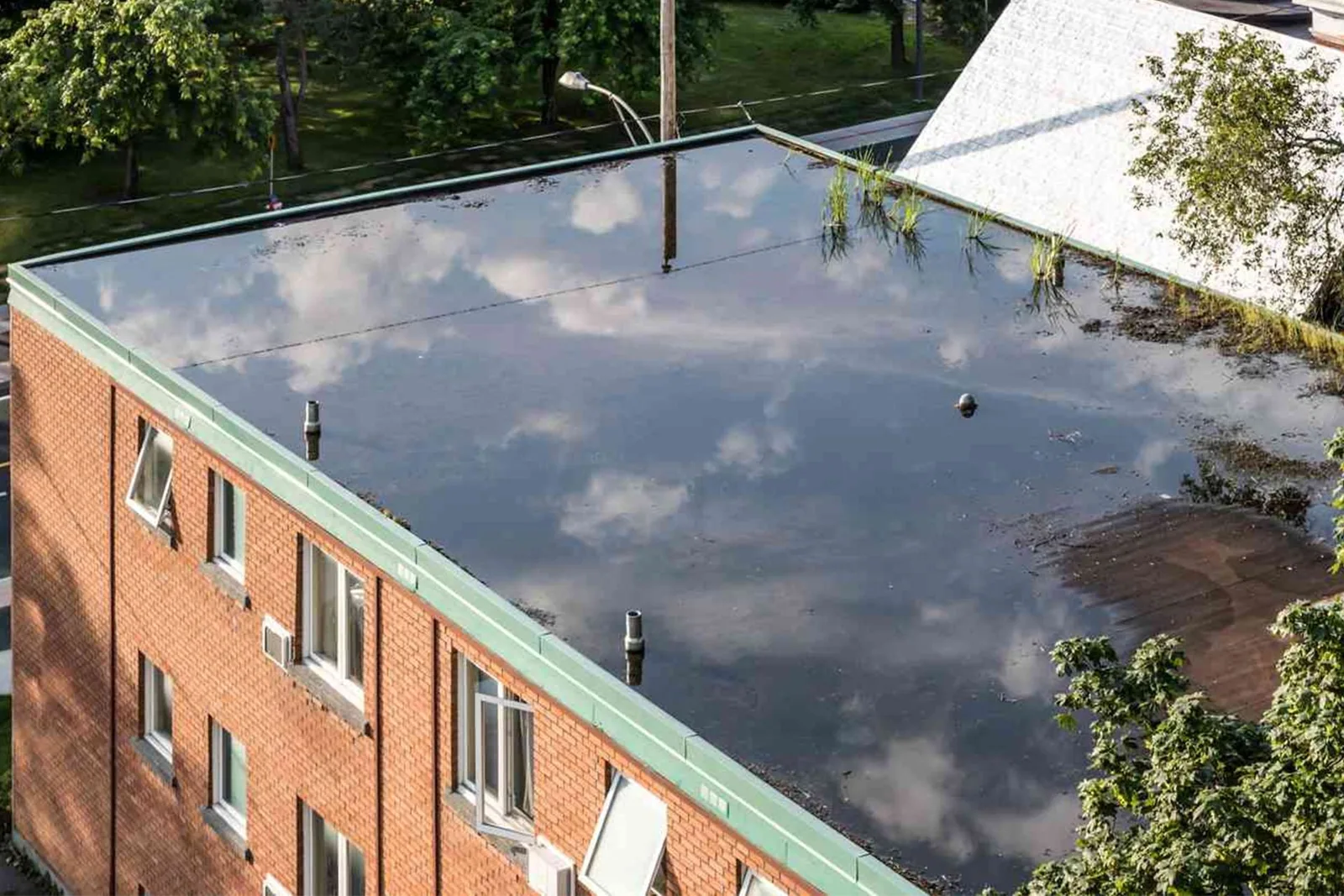
Roof systems respond differently at seams, fasteners and transitions. A single-ply membrane has different repair details from built-up roofing or metal, and the visible surface alone may not show every layer below it. We identify the system, inspect the water path and note whether the problem is limited to a detail or repeated across a larger zone. If moisture or deck damage could change the proposal, the scope states which finding is confirmed and what test would settle the remaining question.
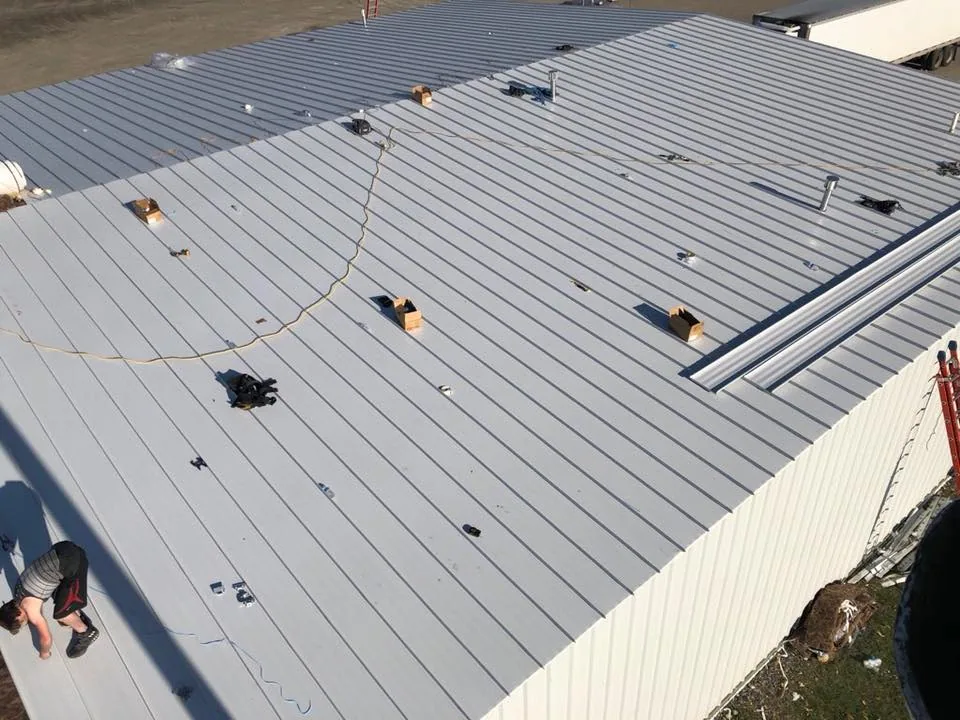
For a metal assembly, we examine panel laps, fasteners, closures and perimeter conditions. For a membrane, the seam, flashing, curb and drain interface determine where compatible repair work belongs. We do not recommend a coating or recover until the existing surface and preparation needs have been assessed. A TPO membrane review is relevant when the installed system is identified as TPO; the system name alone does not diagnose a leak. The repair record names the actual detail that controls the work.
Multi-site coordination: keep each roof record separate
Owners with several buildings in Bryan and College Station can use a consistent inspection record while preserving the differences between properties. Each report should name its roof zones, access notes, assembly, active leak concerns and open decisions. That makes it possible to compare urgent protection with planned capital work without treating one building's condition as evidence about another. A College Station roof visit follows the same inspection discipline while applying that property's access and schedule.
Project teams may also be working near Downtown Bryan, Midtown Bryan or other commercial corridors. Those names help orient a location request, but they do not determine who controls a particular roof or whether two scopes should be combined. We confirm the work boundary with the property contact, identify shared staging only when approved and leave a clear handoff if a separate contractor will modify a curb, wall or penetration. The next visit can then start from a documented condition rather than a district-level assumption.
Frequently Asked Questions
Does regional hail alone establish that a BioCorridor roof needs repair?
No. Inspection should connect visible impact with the installed assembly, roof details and interior evidence before a scope is set.
What does the district land-use framework tell a roofing crew?
It provides context for research, office, manufacturing and supporting uses, but the site contact confirms the building's actual operations and access rules.
How can work proceed near an active research or production area?
The property contact identifies restricted routes and work windows; we then set the roof zone, interior safeguards and daily dry-in point.
What should a multi-building owner keep in each roof record?
Keep the assembly, affected zone, access details, photos, repair boundary and unresolved conditions attached to the specific building.
When should another trade join the roof inspection?
Include the equipment or building-envelope trade when its work touches a curb, conduit, wall transition or penetration that must be closed.
Condition handoff: leave the next action assigned
A usable closeout records the roof zone inspected, repair completed, photographs taken and conditions that remain open. We can prepare a written condition report and document a moisture survey when that method fits the question. The record distinguishes confirmed observations from allowances for concealed material, and notes the dry-in status and any task assigned to the owner or another trade. That information helps a facilities contact schedule the next step without mixing one building's work with another's.
Before mobilization, a current roof plan, prior repair notes and marked access route can save time on a multi-building site. We confirm those records against the roof and revise the zone map where field conditions no longer match. The updated record gives a later inspection a usable reference.
Permit and inspection steps are confirmed for the jurisdiction and scope before the project is scheduled. If an approval point affects access or sequencing, the plan identifies who confirms it and when the crew can proceed. For a repair-versus-renewal decision, we separate immediate protection from longer-term work and explain what finding would change the recommendation. A roof condition report keeps the evidence and open items available to the property team.
Arrange a BioCorridor roof inspection
Share the building location, operating use, reported roof condition, active work area, trades scheduled below and available access window. We can arrange a roof inspection and record what the BioCorridor building needs next.